
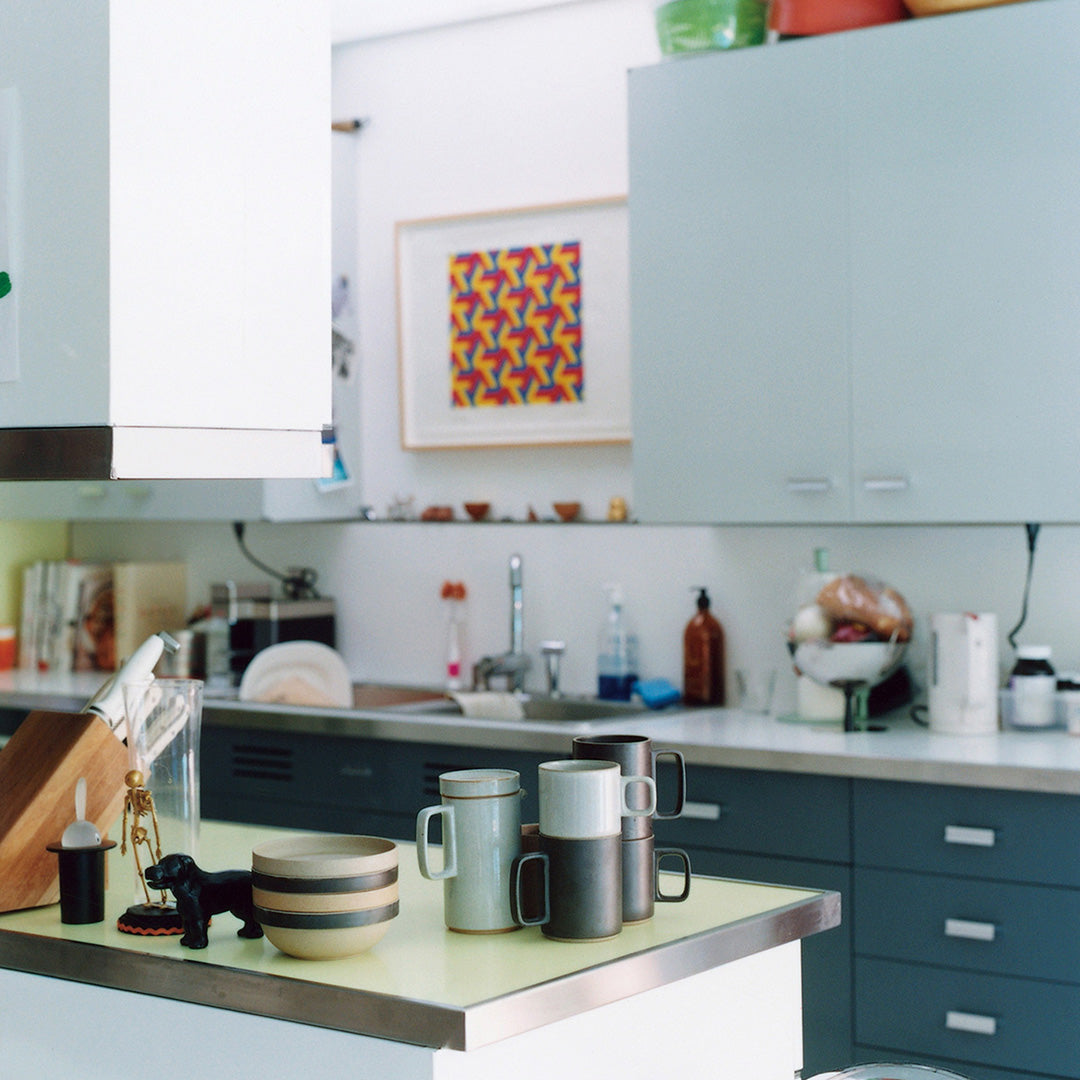



Modern + Stackable
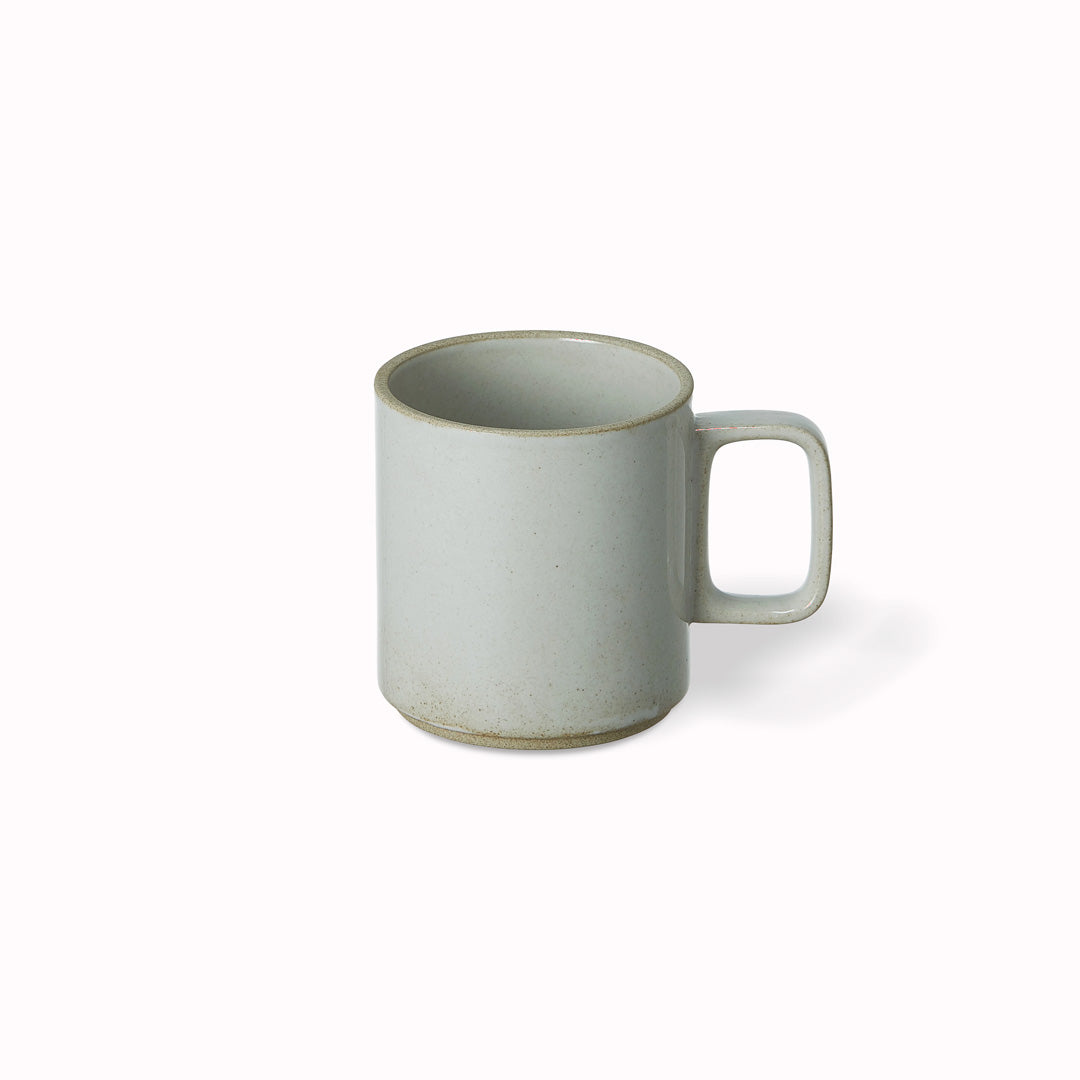
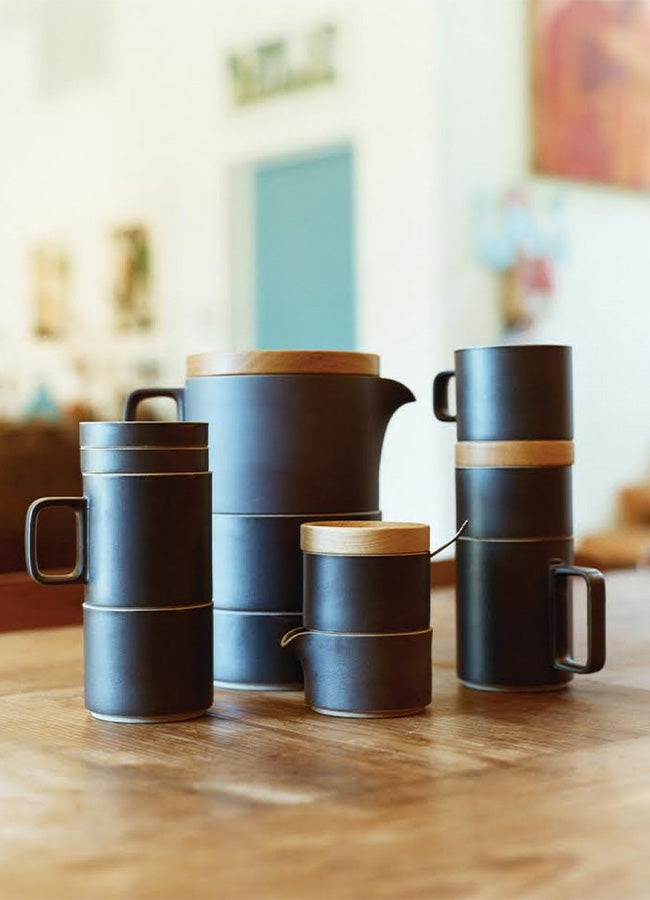
HASAMI PORCELAIN was designed by Takuhiro Shinomoto and is made in Hasami village. His vision was to integrate modern tableware design with the organic quality produced by traditional Japanese manufacturing techniques.
The charm of HASAMI PORCELAIN lies in the soft and comfortable texture that is carefully shaped with modern lines and aesthetics. There is a distinct natural texture and feel to their wares compared to that of traditional porcelain with the matte finish of the black porcelain adding the organic touch that serves as a complement to food and beverages.
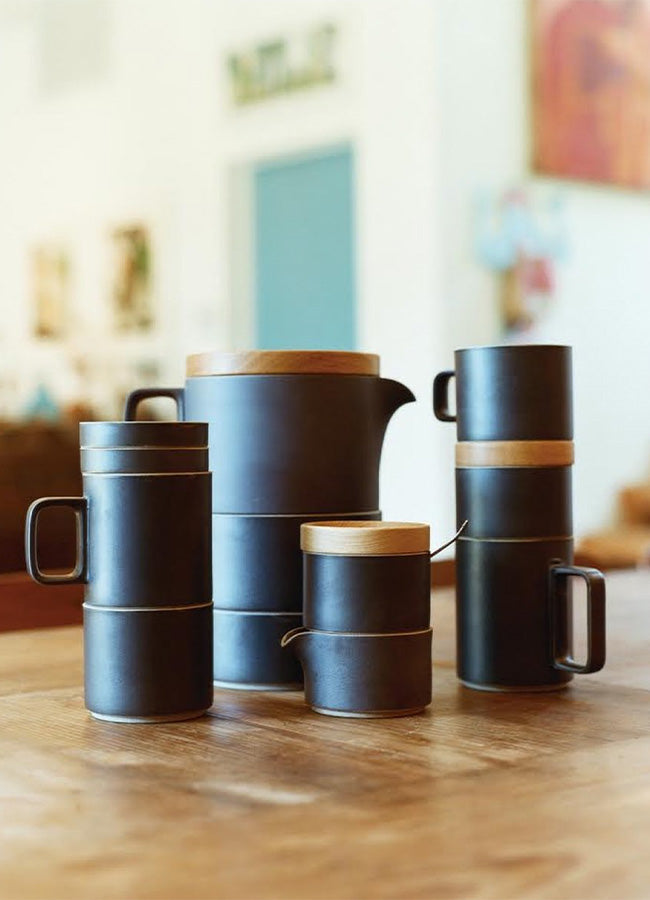
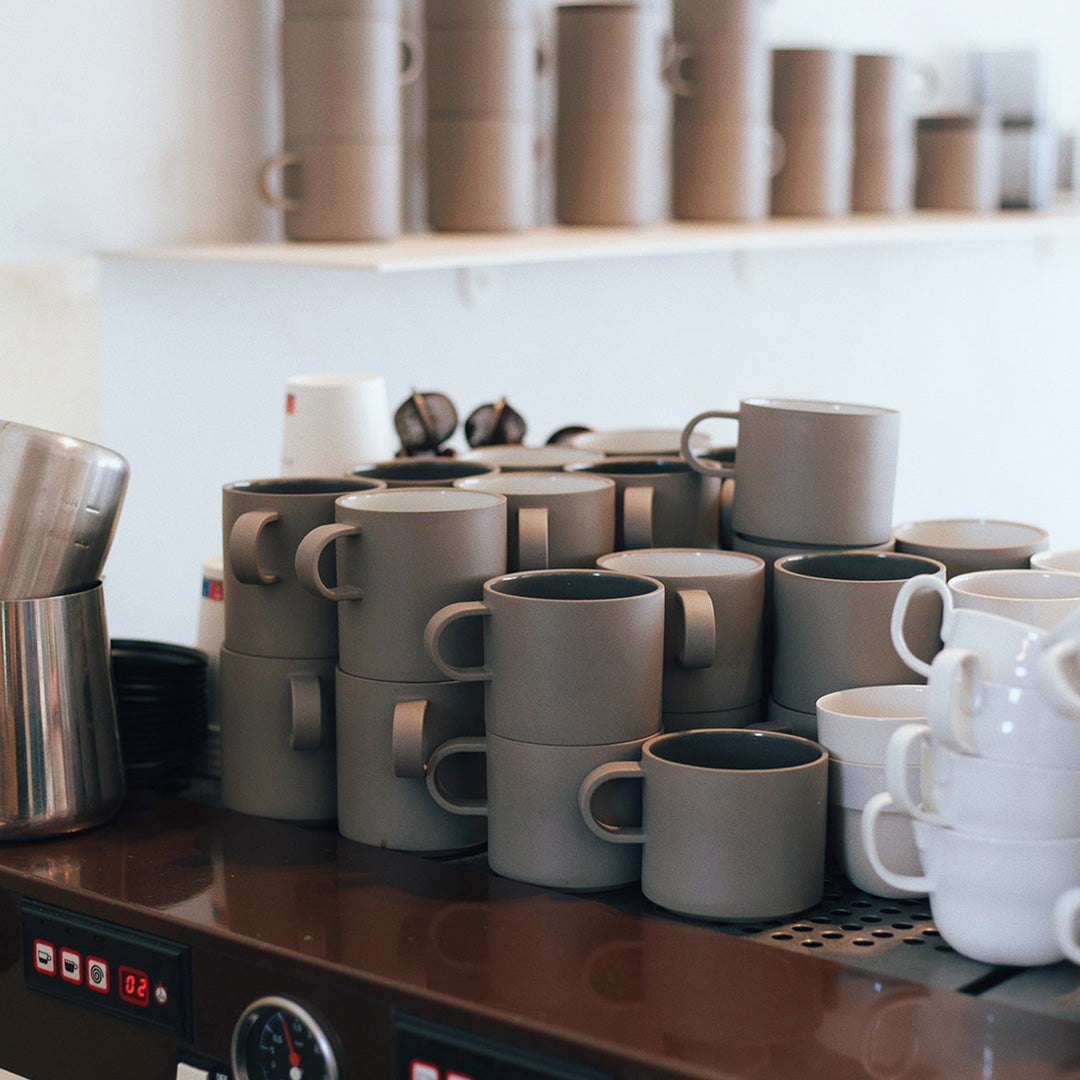
Hasami Porcelain are a Japanese pottery based in the historic town of Hasami in Nagasaki Prefecture, one of the foremost pottery districts in Japan. Hasami Porcelain began crafting its porcelainware almost 400 years ago during the Edo period, distributing them throughout Japan as well as to Europe via the port of Nagasaki. Today, the beauty of Hasami Porcelain lies in its distinct natural feel, craftsmanship and modern Japanese aesthetics. They have mastered practicality with their infinitely stackable and interchangeable pieces, offering efficient storage and ease when serving up multiple dishes.
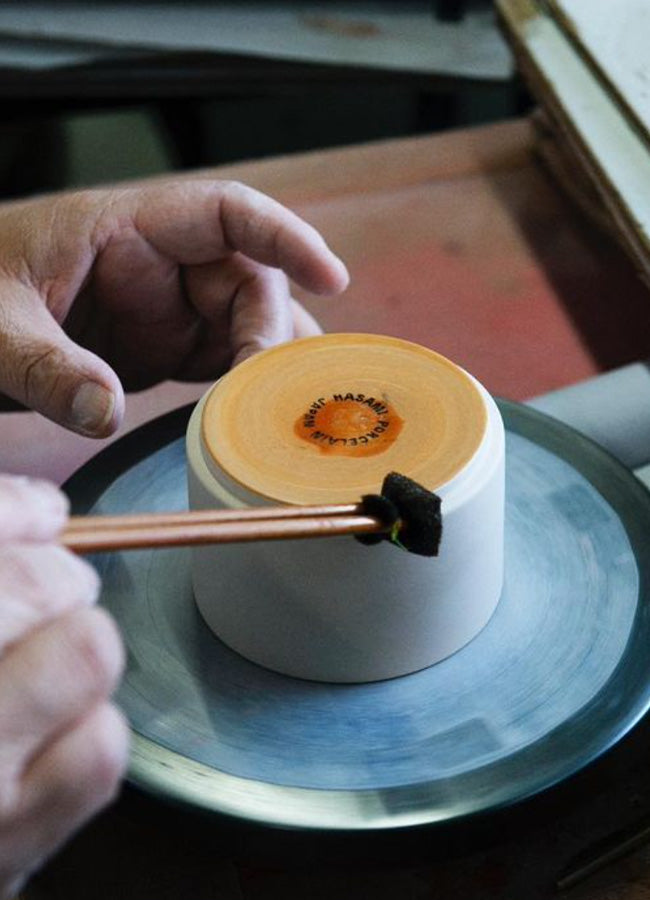
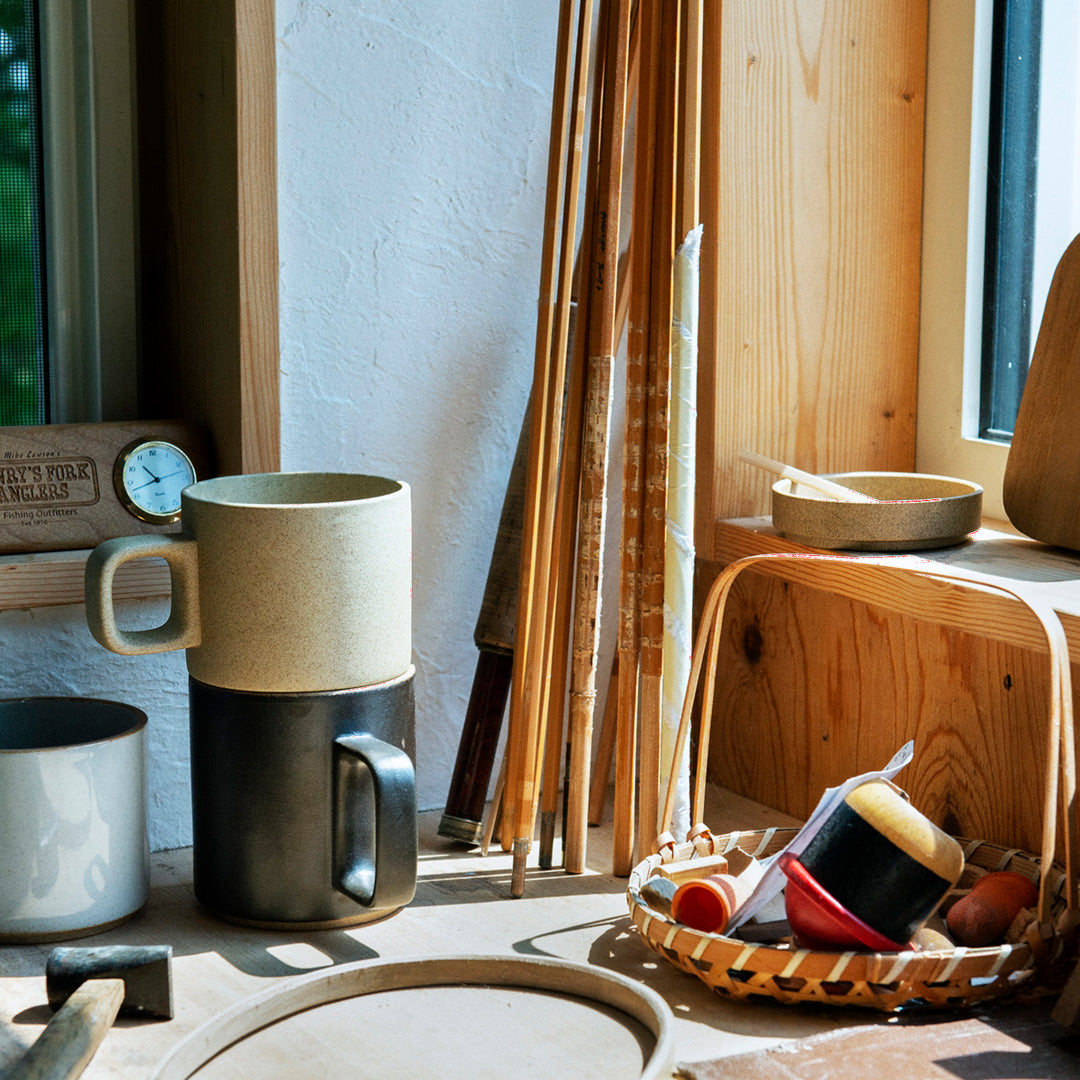
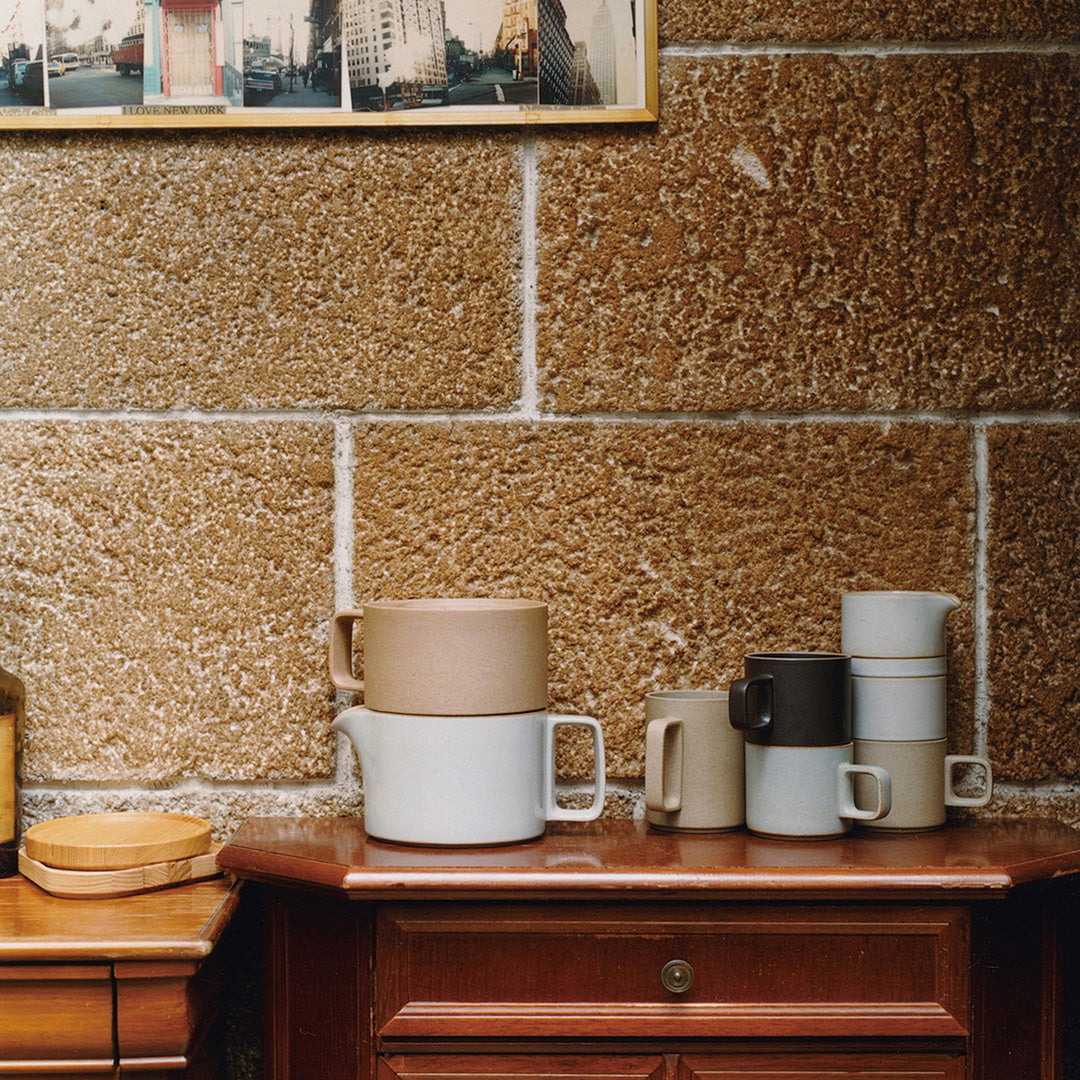
Building on this heritage, Hasami Porcelain was established under the direction of Takuhiro Shinomoto where clean lines, organic textures and multifunctional designs define the brand’s tableware. Inspired by traditional jubako tiered boxes, the modular products can be easily
stacked for efficient storage, making Hasami Porcelain desirable as a modern interior design kitchenware staple as it looks clean and minimal on both the table and when stored in the kitchen. Each piece passes through the hands of various craftspeople during the course of production and is finally stamped by hand, completing its truly unique character.

Organic Process
The organic nature of the production process means that unavoidable variations, colour unevenness, and what Hasami craftspeople call "staining" can sometimes
appear in Hasami Porcelain products.
Variations are the result of uncontrollable chemical reactions between the glaze and the raw materials during the extreme firing process and are seen as a sign of beauty in the collection’s one-of-a-kind character and nature.
Sometimes it can be tough deciding what you want, especially if you are buying for somebody else. We have loads of great stationery and lifestyle products at USTUDIO so if you are unsure on that tricky person, then a gift card may well be the answer.

Personal grooming, face and hair care, indie perfumes & fragrance. Upgrade your daily rituals.
Stylish Japanese tableware made with centuries of craft but with a modern twist.

Lifestyle accessories from back packs to socks, hats and jewellery to personal tech and games.